Home Improvement Market Growth Malaysia: Why This Sector Is Booming in 2026
Key Takeaways
- Strong Market Growth: Malaysia’s home improvement sector continues expanding due to rising income and urban demand.
- DIY Culture Expansion: More consumers are adopting do-it-yourself practices, boosting retail demand.
- Retail Dominance: Large chains are shaping accessibility and affordability in the market.
- Regional Opportunities: ASEAN-wide growth creates cross-border expansion potential.
- Future Trends: Smart homes, sustainability, and e-commerce are key drivers ahead.
A Market on the Rise
Malaysia’s home improvement market has been steadily expanding for years, supported by urban development and rising household incomes. More Malaysians are investing in better living spaces, whether through small DIY upgrades or full home renovations1.
This growth is not slowing down, with long-term projections indicating continued expansion driven by both residential upgrades and commercial developments across the country2.
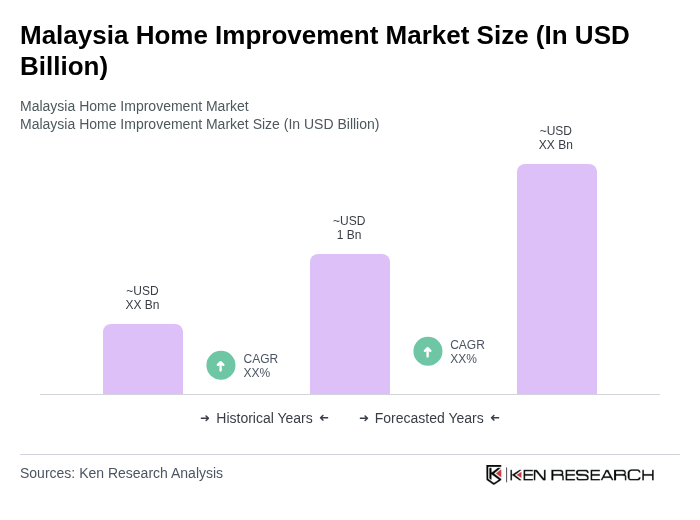
Market size trends and future projections across residential and commercial home improvement segments in Malaysia
The takeaway is simple: demand is rising, and the market still has significant room for growth.
Why Malaysians Are Spending More on Home Improvement
Several factors are fueling the boom, including lifestyle shifts and increased awareness of home aesthetics and functionality. Changing consumer preferences continue to reshape purchasing behavior in this space3.
1. The Rise of DIY Culture
DIY has evolved into a mainstream lifestyle, with more Malaysians choosing to renovate and customize their homes independently, supported by easy access to tools and online tutorials4.
- Cost savings compared to hiring professionals
- Greater access to affordable tools
- Influence of online content and tutorials
2. Urbanization and Smaller Living Spaces
As urban living spaces shrink, consumers are focusing on optimizing layouts, storage, and functionality rather than simply renovating.
3. Rising Middle-Class Income
Higher disposable income has made home upgrades more accessible, turning them into essential lifestyle investments rather than luxury expenses.
4. Influence of Global Trends
Global trends such as minimalism, eco-friendly materials, and smart home integration are increasingly shaping local demand.
The Power of Retail: MR. DIY’s Success Story
The rise of major retail players highlights the sector’s potential, with one company growing from a single store into a multi-billion-dollar business, reflecting strong demand for affordable home improvement products5.
This success is largely driven by a focus on affordability, wide product selection, and convenient store locations, making DIY accessible to everyday consumers6.
The broader DIY and hardware retail segment is also expanding steadily, supported by strong consumer demand nationwide7.
Supply Chain Evolution: Strategic Partnerships
Strategic collaborations within the supply chain are improving efficiency and expanding product offerings, helping companies respond more effectively to growing demand8.
- Better product availability
- More innovation in materials
- Competitive pricing advantages
Malaysia in the ASEAN Context
Malaysia’s growth mirrors a wider regional trend, with Southeast Asian markets expanding due to similar drivers such as urbanization and rising incomes9.

- Cross-border expansion opportunities
- Shared innovation across markets
- Stronger regional supply chains
Learning from Global Markets
More mature markets demonstrate how scale, branding, and product diversity contribute to long-term industry success and stability10.
Consistent demand and continuous innovation also play a key role in sustaining growth in developed economies11.
Key Trends Shaping the Future
Emerging trends are expected to define the next phase of growth, particularly in technology, sustainability, and digital retail experiences.
- Smart home integration
- Eco-friendly materials
- Growth of e-commerce platforms
- Demand for customization
Challenges to Watch
Despite strong growth, the market faces challenges including rising material costs, supply chain disruptions, and increasing competition.
What This Means for Businesses and Consumers
Businesses must focus on innovation, affordability, and accessibility, while consumers benefit from greater choice and improved product availability.
The home is becoming a central part of modern living, and the industry is evolving to meet these changing expectations.
Final Thoughts
The Home Improvement Market Growth Malaysia story in 2026 is still unfolding, with strong momentum driven by consumer demand, retail expansion, and continuous innovation.
If current trends continue, Malaysia is well-positioned to become a regional leader in the home improvement sector.
Frequently Asked Questions
Question: Why is the home improvement market growing in Malaysia?
Answer: Growth is driven by urbanization, rising incomes, DIY culture, and increasing interest in home personalization and smart living solutions.
Question: What role does DIY play in this market?
Answer: DIY plays a major role by encouraging consumers to take on home projects themselves, increasing demand for tools, materials, and affordable retail options.
Question: What trends will shape the future of this industry?
Answer: Key trends include smart home technology, sustainability, e-commerce growth, and demand for customized home solutions.